
Washer Not Draining? Here’s What’s Causing It
If your washer is not draining, the most common causes are a clogged drain pump filter, a kinked or blocked drain hose, a faulty lid or door switch, or a control board issue. Most of these problems have a simple, affordable fix, and many can even be checked before calling a technician.
A washer that finishes its cycle full of water throws off your whole laundry day. The tub sits there, clothes soaked, and the cycle refuses to move forward. The good news is that a washer not draining is one of the most common service calls we get, and the cause is usually specific and fixable in one visit.
1. Clogged Drain Pump Filter
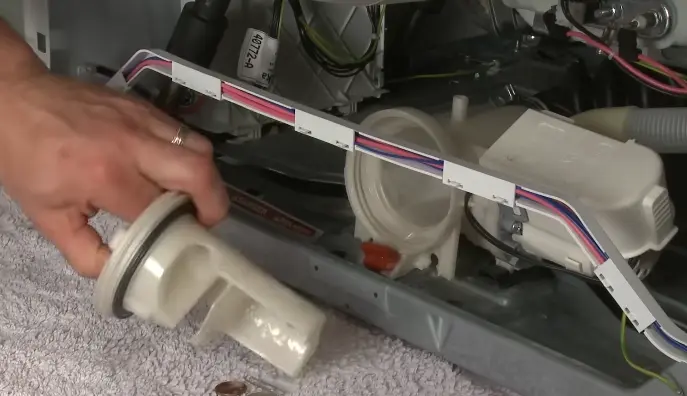
Most front load washers have an access panel near the bottom front of the machine. Behind it sits a small filter, sometimes called a coin trap, that catches coins, hair ties, small socks, and other debris before they reach the pump. This is the single most common cause of a washer not draining, and it is also the easiest to check yourself. Open the panel, place towels on the floor first since water will come out, and unscrew the filter. Clean out any debris and run a drain cycle to test it.
2. Kinked or Blocked Drain Hose
The drain hose carries water from the washer to your home’s plumbing. If it gets kinked behind the machine, or pushed too far into the standpipe, water cannot flow the way it should. Pull the washer forward and check the hose for sharp bends. The hose should sit 6 to 8 inches into the standpipe, no deeper. If it goes in too far, it can create a siphon effect that pulls water back into the tub instead of letting it drain.
3. Faulty Lid Switch or Door Lock
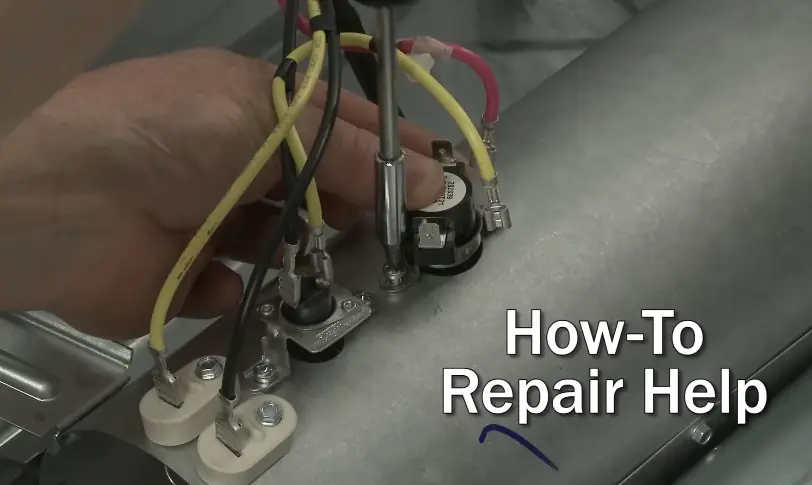
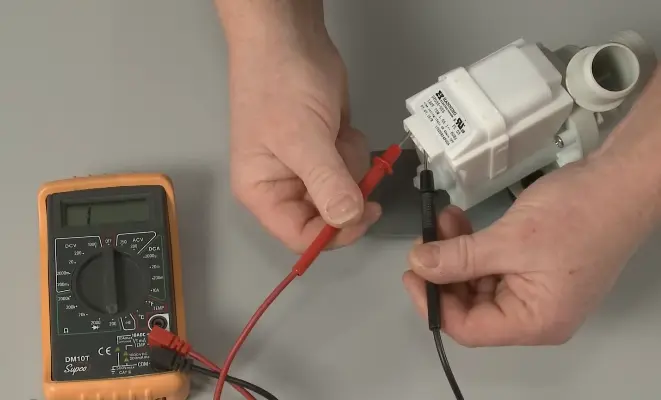
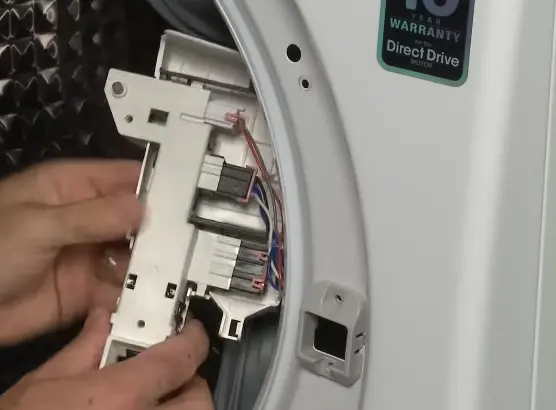
Top load washers will not spin or drain unless the lid switch senses the lid is closed. Front load washers work the same way with the door lock assembly. If either part fails, the washer may fill with water and simply stop. These are safety switches, so testing them properly requires a multimeter and some experience. If your washer stops mid cycle with water still in the tub, this is one of the first things a technician checks.
4. Failing Drain Pump
If the filter is clean and the hose is clear, the drain pump itself may have failed. The pump forces water out of the tub during the spin cycle, and a jammed or burned out pump cannot do that job. A washer making grinding or humming noises near the pump area, without actually draining, often points to this cause.
5. Control Board Issues
Less common than mechanical problems, but it happens, especially after a power surge. If the control board loses the signal to the drain pump, the washer will fill and agitate normally but never move into the drain cycle. This is one reason a washer not draining can show up after a Florida thunderstorm, even if nothing looks physically wrong with the machine.
6. Unbalanced or Overloaded Wash
A single bulky item, or laundry loaded unevenly, can cause the washer to sense an imbalance and reduce or skip the spin cycle to protect the machine. This leaves excess water in the tub, even though nothing is actually broken. Rearranging the load and restarting the cycle often solves this without any repair at all.
Washer Not Draining: Cost by Cause
| Cause | DIY Possible? | Typical Repair Cost |
|---|---|---|
| Clogged pump filter | Yes | $0 |
| Kinked or misrouted hose | Yes | $0 to $50 |
| Faulty lid or door switch | No | $100 to $200 |
| Failing drain pump | No | $150 to $300 |
| Control board issue | No | $150 to $350 |
| Unbalanced load | Yes | $0 |
What to Check Before Calling a Technician?
Start with the pump filter, since it solves the problem more often than people expect. Check the drain hose next for kinks or improper depth in the standpipe. If your washer displays an error code, write it down before unplugging or resetting the machine, since that code helps a technician diagnose the issue faster.
If you have checked the filter and hose and the washer still will not drain, or if it makes grinding or humming noises near the pump, it is time to call a professional.
Frequently Asked Question
When to Call a Professional
If basic checks don’t solve the problem, a washer not draining usually means a failed part that needs replacement. Lid switches, drain pumps, and control boards all require proper testing, and safety switches should never be bypassed rather than repaired.
If your washer in Gainesville won’t drain, our licensed technicians can diagnose the exact cause and give you an upfront repair quote, often the same day you call.