
Refrigerator Not Cooling? Here Are 7 Common Causes
If your refrigerator is not cooling, the most common causes are dirty condenser coils, a broken evaporator fan, a bad start relay, low refrigerant, a clogged defrost drain, a worn door seal, or a failed compressor. Most of these problems have a clear fix, and a licensed technician can often solve them the same day.
A refrigerator not cooling is one of the most stressful appliance problems. Food starts to spoil fast, and the clock is ticking. The good news is that most cooling problems come down to one part, not a full breakdown. Here in Gainesville, Florida’s heat and humidity put extra strain on refrigerators, so local homeowners see these issues more often than the national average.
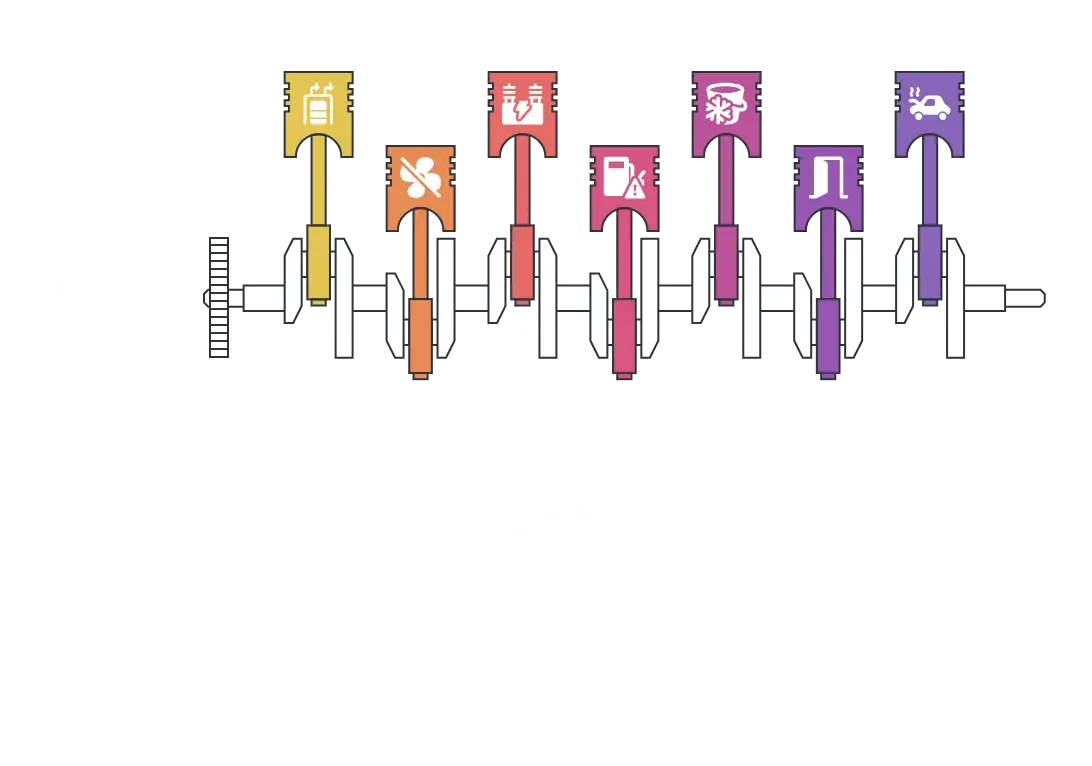
Below are the seven most common causes, starting with the easiest one to check.
1. Dirty Condenser Coils
Condenser coils release heat from the refrigerant. When they get coated in dust, pet hair, or grime, they cannot release heat well. This is one of the most common reasons behind a refrigerator not cooling enough, even when the unit sounds like it is running normally.
The coils sit on the back or underneath the unit. You can clean them yourself with a coil brush and a vacuum. If the fridge cools again after cleaning, the problem is solved. If not, move to the next cause.
2. Blocked Air Vents
Cold air needs a clear path to move between the freezer and the fridge. If food packages block the vents, air cannot circulate the way it should, and you may notice the refrigerator does not cool evenly from top to bottom.
Reorganize the shelves so nothing touches the vent openings, and leave a little space around stored items. A refrigerator that is too full, or one that is nearly empty, can both struggle to hold a steady temperature.
3. Evaporator Fan Motor Failure
The evaporator fan pulls cold air from the freezer into the refrigerator section. If this motor fails, you get a classic pattern many people search for directly: refrigerator not cooling but freezer works, or freezer works but the refrigerator is not cooling.
To check it, open the freezer door and press the door switch by hand. You should hear the fan running. If you hear nothing, the motor has likely failed. This is also a common cause when people report their refrigerator making noise but not cooling, since a struggling fan motor can hum, click, or grind before it stops completely.
4. Faulty Start Relay or Temperature Control Board
The start relay sends power to the compressor so it can turn on. When the relay fails, the compressor cannot start, even though you may still see the refrigerator light on but not cooling.
The temperature control board and thermostat work together here too. A thermostat problem can send the wrong signal to the compressor, so the system never gets the message to cool. These are electrical parts, and testing them safely takes experience, so this is a good point to call a refrigerator repair technician rather than guess.
5. Refrigerant Leak
Refrigerant is the substance that actually absorbs heat and keeps your food cold. When there is a leak, cooling capacity drops slowly at first, then more noticeably, often showing up as a refrigerator running but not cooling as well as it used to.
Signs of a leak include odd frost patterns inside the unit, an oily residue near the coils, or a faint hissing sound. A refrigerant leak is not a do it yourself repair. Handling refrigerant requires certification, so this issue always needs a licensed technician.
6. Clogged Defrost Drain or Failed Defrost Timer
Refrigerators run a defrost cycle to melt small amounts of frost that build up on the coils. If the defrost drain gets clogged, water can back up and refreeze, leading to frozen evaporator coils that block airflow completely.
A failed defrost timer causes a similar problem, since the unit never gets the signal to start its defrost cycle. You may notice ice buildup at the back wall of the freezer, along with a refrigerator and freezer not cooling evenly.
7. Compressor Failure
The compressor is the heart of the cooling system. When it fails, the refrigerator stops cooling completely, even though it may still run and make noise.
Common signs of refrigerator compressor failure include loud humming with no cold air, repeated clicking as the unit tries and fails to start, or the compressor overheating to the touch. Compressor replacement is the most expensive repair on this list. On an older unit, a technician may recommend replacement instead, since the repair cost can approach the price of a new refrigerator.
Refrigerator Repair Cost by Cause
| Cause | Typical Repair Cost | DIY Possible? |
|---|---|---|
| Dirty condenser coils | $0 to $100 | Yes |
| Blocked air vents | $0 | Yes |
| Evaporator fan motor | $150 to $300 | No |
| Start relay or control board | $150 to $350 | No |
| Refrigerant leak | $200 to $450 | No |
| Clogged defrost drain or timer | $100 to $250 | Sometimes |
| Compressor failure | $300 to $600 | No |
Refrigerator Troubleshooting: What to Check First
Before you call a repair technician, a few quick checks can save you time and money.
Confirm the unit is plugged in and the breaker has not tripped. Check that the temperature dial has not been bumped to a warmer setting. Look at the door seal, or gasket, for cracks, tears, or gaps that let cold air escape. Press a dollar bill in the door and close it. If it slides out easily, the seal may need replacing.
If these basics do not solve it, one of the seven causes above is likely the reason your refrigerator not cooling.
Frequently Asked Questions
Common Cooling Problems by Brand
Different brands tend to show a few recurring patterns. Samsung and LG refrigerators often develop evaporator fan and defrost system issues first. Whirlpool and Frigidaire units commonly show condenser coil and start relay problems. GE and Kenmore refrigerators tend to run into thermostat and control board issues as they age. Regardless of brand, our technicians are trained to diagnose and repair all major manufacturers.
When to Call a Professional
If cleaning the coils and clearing the vents does not solve the problem and still refrigerator not cooling, it is time to call a technician. Refrigerant leaks, compressor failure, and electrical parts like the start relay all require professional tools and training. Waiting too long on these issues can lead to spoiled food and a higher repair bill later.
If your refrigerator in Gainesville is not cooling, our licensed technicians can diagnose the exact cause and give you an upfront repair quote, often the same day you call.